
Articles

Supporting PDA at School: Why Good Strategies Sometimes Don't Work

Supporting PDA at School: Why Good Strategies Sometimes Don't Work

Supporting PDA at School: Why Good Strategies Sometimes Don't WorkSarah Middleton
Published on: 06/08/2026

Why good PDA-informed strategies sometimes fall short in schools, and how a shared framework helps teachers create more consistent, effective support.

AutismPathological Demand AvoidanceNeurodiversity Affirming PracticeEducationTeaching
Why good intentions aren't enough — and what inclusive education actually requires of us

Why good intentions aren't enough — and what inclusive education actually requires of us

Why good intentions aren't enough — and what inclusive education actually requires of usSarah Middleton
Published on: 17/05/2026

Inclusive education requires more than trying hard. Drawing on research and lived experience, this post explores the thinking shifts that make the biggest difference for neurodivergent and disabled students.

AutismLearningReflectionsNeurodiversity Affirming PracticeEducation

How to Explain PDA to a Child — A Low-Demand Approach

How to Explain PDA to a Child — A Low-Demand Approach

How to Explain PDA to a Child — A Low-Demand ApproachSarah Middleton
Published on: 30/04/2026

How to explain PDA to a child using a low-demand, story-based approach.

Pathological Demand AvoidanceHealth ProfessionalsNeurodiversity Affirming PracticeParentingEducationTeaching
Do rewards work for any students?

Do rewards work for any students?

Do rewards work for any students?Sarah Middleton
Published on: 18/04/2026

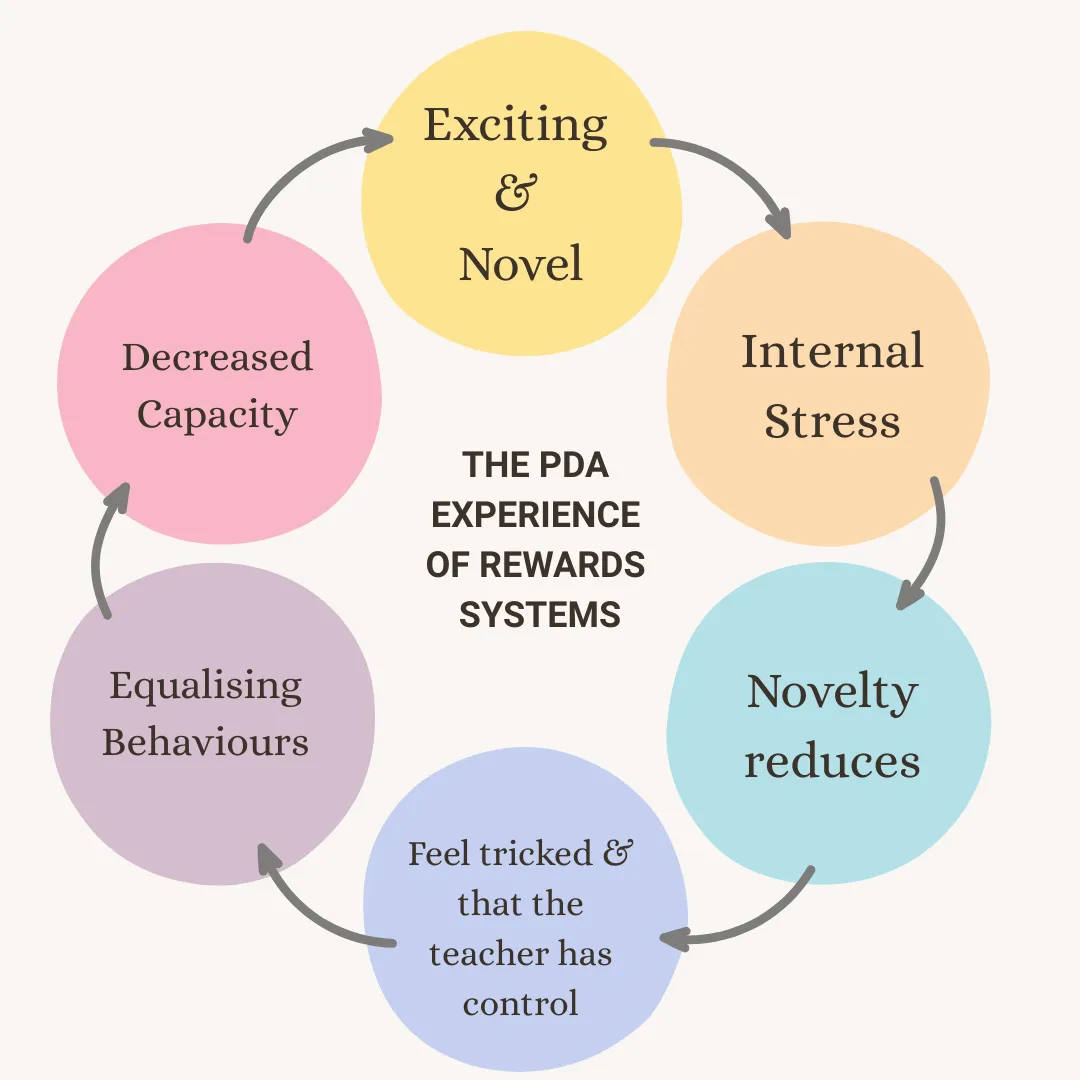
Do rewards work for students? Explore why reward systems don’t always improve behaviour, and how understanding what’s underneath can lead to more effective, supportive responses in the classroom.

LearningEducationTeaching